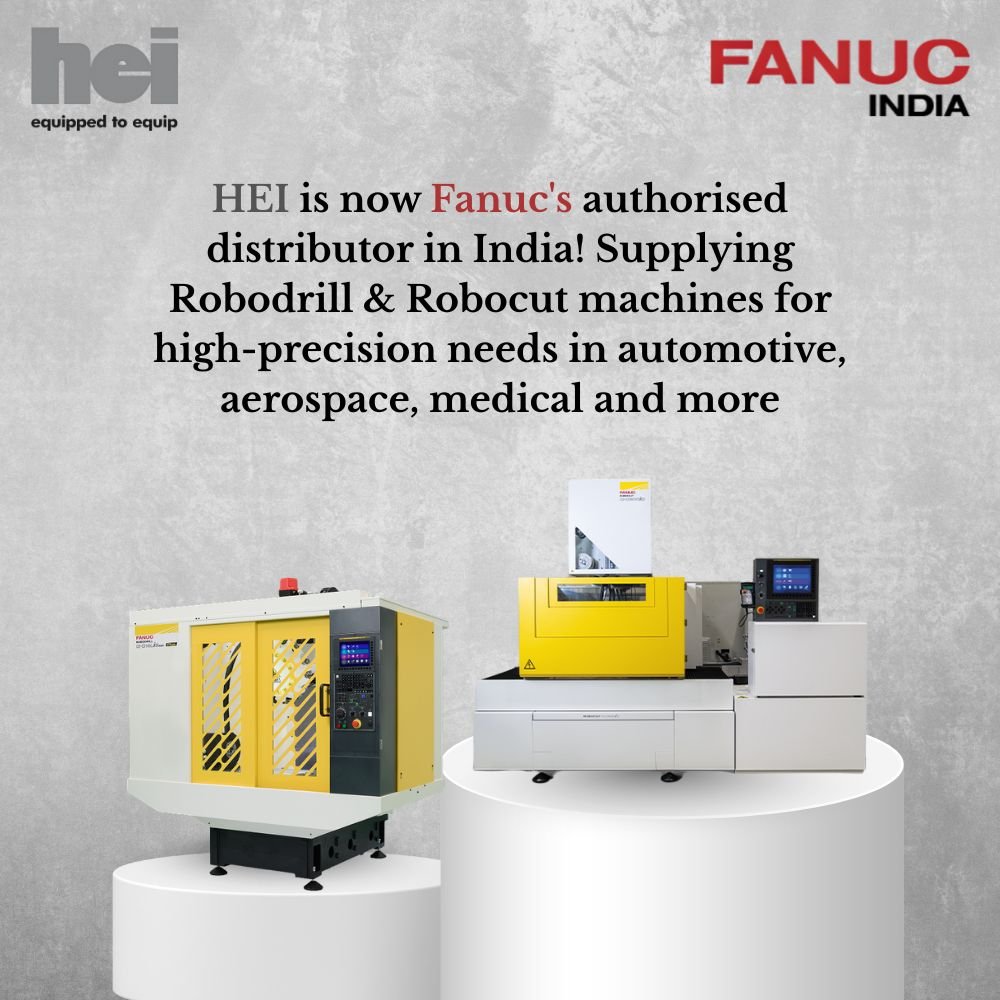

High Speed CNC Machining Center vs Compact Vertical Machining Center: Choosing the Right Solution in 2025
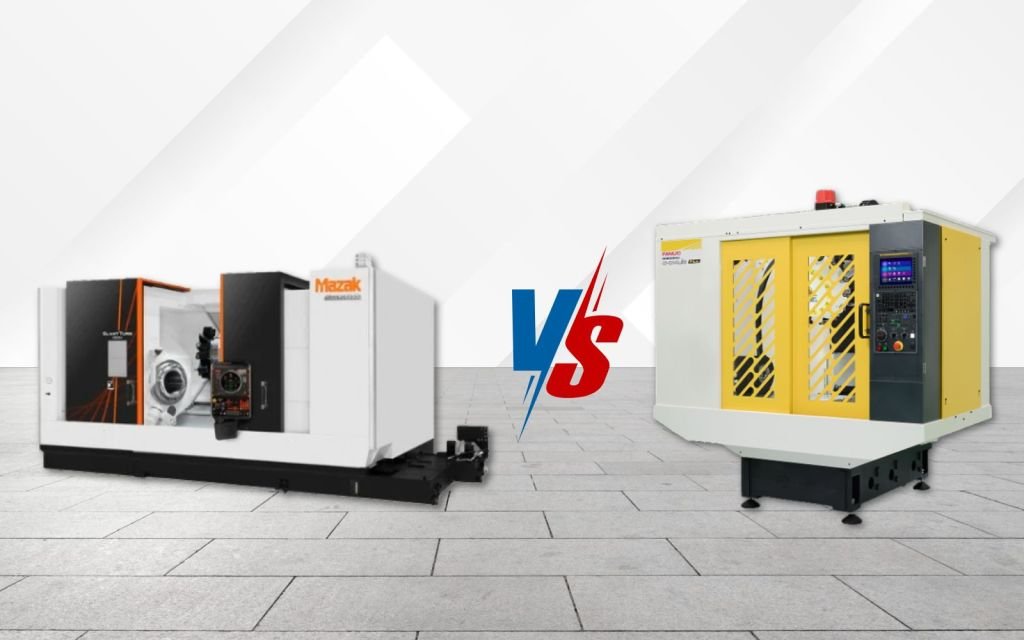
What Is a High Speed CNC Machining Center?
Key Characteristics of High Speed CNC Machining Centers
- High spindle RPM for faster material removal
- Rapid traverse and acceleration for short cycle times
- Advanced CNC control for stable high-speed cutting
- Ideal for aluminium, non-ferrous metals, and precision steel parts
Where High Speed CNC Machining Centers Are Used
High-speed machining is critical in industries where productivity and surface finish directly impact profitability:
- Automotive components and housings
- Aerospace structural and lightweight parts
- Electronics and semiconductor components
A High Speed CNC Machining Center helps manufacturers achieve higher output, better surface quality, and lower per-part cost.
What Is a Compact Vertical Machining Center?
A Compact Vertical Machining Center delivers the same CNC precision as larger machines but in a space-efficient footprint. These machines are designed for workshops where floor space, energy efficiency, and automation readiness matter.
Key Characteristics of Compact Vertical Machining Centers
- Small footprint suitable for space-constrained facilities
- Vertical spindle orientation for versatile machining
- High rigidity despite compact design
- Easy integration with automation and pallet systems
Where Compact Vertical Machining Centers Excel
Compact VMCs are widely used in:
- Precision component manufacturing
- Tool rooms and prototype shops
- Medical and electronics industries
- Automated production cells
A Compact Vertical Machining Center is ideal for businesses that need high accuracy without investing in large, heavy machining systems.
High Speed CNC Machining Center vs Compact Vertical Machining Center
While both machines serve modern manufacturing needs, their use cases differ.
High Speed CNC Machining Center
- Focuses on maximum productivity and cycle time reduction
- Best for high-volume and fast-turnaround production
- Optimised for lightweight and precision materials
Compact Vertical Machining Center
- Focuses on space efficiency and flexible production
- Best for small to medium batch sizes and automation cells
- Ideal for facilities with limited floor space
Many manufacturers today deploy both solutions depending on part geometry and production volume.
Why Manufacturers Are Adopting These CNC Solutions in 2025
Manufacturing trends in 2025 demand:
- Faster production cycles
- Consistent dimensional accuracy
- Lower operational costs
- Scalable automation
Both High Speed CNC Machining Centers and Compact Vertical Machining Centers support these goals by improving efficiency, reducing setup time, and ensuring repeatable quality.
Applications Across Industries
Automotive :Engine components, brackets, housings, and transmission parts.
Aerospace : Lightweight precision components requiring high surface quality.
Medical :Implants, surgical instruments, and micro-precision parts.
Electronics & Tooling : High-accuracy enclosures, fixtures, and mould components.
Choosing the Right CNC Machining Center
When selecting between a High Speed CNC Machining Center and a Compact Vertical Machining Center, consider:
- Part size and complexity
- Production volume
- Available floor space
- Automation requirements
- Material type
A well-matched CNC solution improves uptime, accuracy, and long-term ROI.
Integrated CNC Solutions and Support
Modern CNC investment goes beyond the machine itself. Manufacturers benefit most when machines are supported by:
- Expert application guidance
- Professional installation and commissioning
- Preventive maintenance and service support
- Availability of genuine spare parts
This ensures consistent performance throughout the machine lifecycle.
Conclusion
In 2025, both the High Speed CNC Machining Center and the Compact Vertical Machining Center play a critical role in advanced manufacturing. One delivers speed and productivity, while the other offers flexibility and space efficiency. Choosing the right solution depends on your production goals—but investing in modern CNC technology is no longer optional for manufacturers aiming to stay competitive. If you are planning to upgrade your machining capabilities, evaluating these CNC solutions with expert guidance ensures long-term precision, efficiency, and growth

Since 1945, HEI India has been a trusted supplier & dealer of high-quality CNC lathe machines, offering top brands like Okamoto, Citizen, and Mazak for precision engineering needs.
- 348, Anand Bhavan, Dr Dadabhai Naoroji Rd, Mumbai, Maharashtra 400001
- 022 – 22043885 / 022 – 22043885
- head_office@hei.co.in
Contact Us
Our Networks
Hindustan Export & Import Corporation Is a Reliable Supplier and Dealer of CNC Turning Machines in Mumbai, Ahmedabad, Ahmednagar, Ajmer, Amravati, Amritsar, Aurangabad, Bangalore, Beed, Belgaum, Bharuch, Bhavnagar, Bhopal, Bhubaneswar, Calicut, Chandigarh, Chandrapur, Chennai, Coimbatore, Cuttack, Daman, Delhi, Dhule, Ernakulam, Erode, Gangtok, Ghaziabad, Goa, Hubli, Hyderabad, Indore, Jaipur, Jalgaon, Jamshedpur, Jodhpur, Kolhapur, Kolkata, Lucknow, Ludhiana, Madurai, Agra, Mysore, Nagpur, Nashik, Navi Mumbai, Noida, Patna, Pondicherry, Pune, Raipur, Rajkot, Salem, Satara, Secunderabad, Shimla, Sikkim, Silvassa, Solapur, Srinagar, Surat, Thane, Udaipur, Vadodara, Valsad, Vellore, Vijayawada, Visakhapatnam
Hindustan Export & Import Corporation Is a Reliable Supplier and Dealer of CNC Turning Machines in Mumbai, Ahmedabad, Ahmednagar, Ajmer, Amravati, Amritsar, Aurangabad, Bangalore, Beed, Belgaum, Bharuch, Bhavnagar, Bhopal, Bhubaneswar, Calicut, Chandigarh, Chandrapur, Chennai, Coimbatore, Cuttack, Daman, Delhi, Dhule, Ernakulam, Erode, Gangtok, Ghaziabad, Goa, Hubli, Hyderabad, Indore, Jaipur, Jalgaon, Jamshedpur, Jodhpur, Kolhapur, Kolkata, Lucknow, Ludhiana, Madurai, Agra, Mysore, Nagpur, Nashik, Navi Mumbai, Noida, Patna, Pondicherry, Pune, Raipur, Rajkot, Salem, Satara, Secunderabad, Shimla, Sikkim, Silvassa, Solapur, Srinagar, Surat, Thane, Udaipur, Vadodara, Valsad, Vellore, Vijayawada, Visakhapatnam
Hindustan Export & Import Corporation Is a Reliable Supplier and Dealer of CNC Milling Machine in Mumbai, Ahmedabad, Ahmednagar, Ajmer, Amravati, Amritsar, Aurangabad, Bangalore, Beed, Belgaum, Bharuch, Bhavnagar, Bhopal, Bhubaneswar, Calicut, Chandigarh, Chandrapur, Chennai, Coimbatore, Cuttack, Daman, Delhi, Dhule, Ernakulam, Erode, Gangtok, Ghaziabad, Goa, Hubli, Hyderabad, Indore, Jaipur, Jalgaon, Jamshedpur, Jodhpur, Kolhapur, Kolkata, Lucknow, Ludhiana, Madurai, Agra, Mysore, Nagpur, Nashik, Navi Mumbai, Noida, Patna, Pondicherry, Pune, Raipur, Rajkot, Salem, Satara, Secunderabad, Shimla, Sikkim, Silvassa, Solapur, Srinagar, Surat, Thane, Udaipur, Vadodara, Valsad, Vellore, Vijayawada, Visakhapatnam
Hindustan Export & Import Corporation Is a Reliable Supplier and Dealer of CNC Multitasking Machine in Mumbai, Ahmedabad, Ahmednagar, Ajmer, Amravati, Amritsar, Aurangabad, Bangalore, Beed, Belgaum, Bharuch, Bhavnagar, Bhopal, Bhubaneswar, Calicut, Chandigarh, Chandrapur, Chennai, Coimbatore, Cuttack, Daman, Delhi, Dhule, Ernakulam, Erode, Gangtok, Ghaziabad, Goa, Hubli, Hyderabad, Indore, Jaipur, Jalgaon, Jamshedpur, Jodhpur, Kolhapur, Kolkata, Lucknow, Ludhiana, Madurai, Agra, Mysore, Nagpur, Nashik, Navi Mumbai, Noida, Patna, Pondicherry, Pune, Raipur, Rajkot, Salem, Satara, Secunderabad, Shimla, Sikkim, Silvassa, Solapur, Srinagar, Surat, Thane, Udaipur, Vadodara, Valsad, Vellore, Vijayawada, Visakhapatnam
Hindustan Export & Import Corporation Is a Reliable Supplier and Dealer of CNC Grinding Machine in Mumbai, Ahmedabad, Ahmednagar, Ajmer, Amravati, Amritsar, Aurangabad, Bangalore, Beed, Belgaum, Bharuch, Bhavnagar, Bhopal, Bhubaneswar, Calicut, Chandigarh, Chandrapur, Chennai, Coimbatore, Cuttack, Daman, Delhi, Dhule, Ernakulam, Erode, Gangtok, Ghaziabad, Goa, Hubli, Hyderabad, Indore, Jaipur, Jalgaon, Jamshedpur, Jodhpur, Kolhapur, Kolkata, Lucknow, Ludhiana, Madurai, Agra, Mysore, Nagpur, Nashik, Navi Mumbai, Noida, Patna, Pondicherry, Pune, Raipur, Rajkot, Salem, Satara, Secunderabad, Shimla, Sikkim, Silvassa, Solapur, Srinagar, Surat, Thane, Udaipur, Vadodara, Valsad, Vellore, Vijayawada, Visakhapatnam
Hindustan Export & Import Corporation Is a Reliable Supplier and Dealer of CNC Sliding Head Machine in Mumbai, Ahmedabad, Ahmednagar, Ajmer, Amravati, Amritsar, Aurangabad, Bangalore, Beed, Belgaum, Bharuch, Bhavnagar, Bhopal, Bhubaneswar, Calicut, Chandigarh, Chandrapur, Chennai, Coimbatore, Cuttack, Daman, Delhi, Dhule, Ernakulam, Erode, Gangtok, Ghaziabad, Goa, Hubli, Hyderabad, Indore, Jaipur, Jalgaon, Jamshedpur, Jodhpur, Kolhapur, Kolkata, Lucknow, Ludhiana, Madurai, Agra, Mysore, Nagpur, Nashik, Navi Mumbai, Noida, Patna, Pondicherry, Pune, Raipur, Rajkot, Salem, Satara, Secunderabad, Shimla, Sikkim, Silvassa, Solapur, Srinagar, Surat, Thane, Udaipur, Vadodara, Valsad, Vellore, Vijayawada, Visakhapatnam
Hindustan Export & Import Corporation Is a Reliable Supplier and Dealer of CNC Sliding Head Machine in Mumbai, Ahmedabad, Ahmednagar, Ajmer, Amravati, Amritsar, Aurangabad, Bangalore, Beed, Belgaum, Bharuch, Bhavnagar, Bhopal, Bhubaneswar, Calicut, Chandigarh, Chandrapur, Chennai, Coimbatore, Cuttack, Daman, Delhi, Dhule, Ernakulam, Erode, Gangtok, Ghaziabad, Goa, Hubli, Hyderabad, Indore, Jaipur, Jalgaon, Jamshedpur, Jodhpur, Kolhapur, Kolkata, Lucknow, Ludhiana, Madurai, Agra, Mysore, Nagpur, Nashik, Navi Mumbai, Noida, Patna, Pondicherry, Pune, Raipur, Rajkot, Salem, Satara, Secunderabad, Shimla, Sikkim, Silvassa, Solapur, Srinagar, Surat, Thane, Udaipur, Vadodara, Valsad, Vellore, Vijayawada, Visakhapatnam
Hindustan Export & Import Corporation Is a Reliable Supplier and Dealer of CNC Tapping Machine in Mumbai, Ahmedabad, Ahmednagar, Ajmer, Amravati, Amritsar, Aurangabad, Bangalore, Beed, Belgaum, Bharuch, Bhavnagar, Bhopal, Bhubaneswar, Calicut, Chandigarh, Chandrapur, Chennai, Coimbatore, Cuttack, Daman, Delhi, Dhule, Ernakulam, Erode, Gangtok, Ghaziabad, Goa, Hubli, Hyderabad, Indore, Jaipur, Jalgaon, Jamshedpur, Jodhpur, Kolhapur, Kolkata, Lucknow, Ludhiana, Madurai, Agra, Mysore, Nagpur, Nashik, Navi Mumbai, Noida, Patna, Pondicherry, Pune, Raipur, Rajkot, Salem, Satara, Secunderabad, Shimla, Sikkim, Silvassa, Solapur, Srinagar, Surat, Thane, Udaipur, Vadodara, Valsad, Vellore, Vijayawada, Visakhapatnam
Hindustan Export & Import Corporation Is a Reliable Supplier and Dealer of CNC Cutting Machine in Mumbai, Ahmedabad, Ahmednagar, Ajmer, Amravati, Amritsar, Aurangabad, Bangalore, Beed, Belgaum, Bharuch, Bhavnagar, Bhopal, Bhubaneswar, Calicut, Chandigarh, Chandrapur, Chennai, Coimbatore, Cuttack, Daman, Delhi, Dhule, Ernakulam, Erode, Gangtok, Ghaziabad, Goa, Hubli, Hyderabad, Indore, Jaipur, Jalgaon, Jamshedpur, Jodhpur, Kolhapur, Kolkata, Lucknow, Ludhiana, Madurai, Agra, Mysore, Nagpur, Nashik, Navi Mumbai, Noida, Patna, Pondicherry, Pune, Raipur, Rajkot, Salem, Satara, Secunderabad, Shimla, Sikkim, Silvassa, Solapur, Srinagar, Surat, Thane, Udaipur, Vadodara, Valsad, Vellore, Vijayawada, Visakhapatnam
Copyright © 2026 Hindustan Export & Import | Design & Developed by Story Webnet Services